
Our Short List of 3

- Sensor: Electrochemical
- Power: 120V AC plug-in with 9V battery backup
- Display: Digital LED with CO level and peak level memory
- Certification: UL listed, per the maker
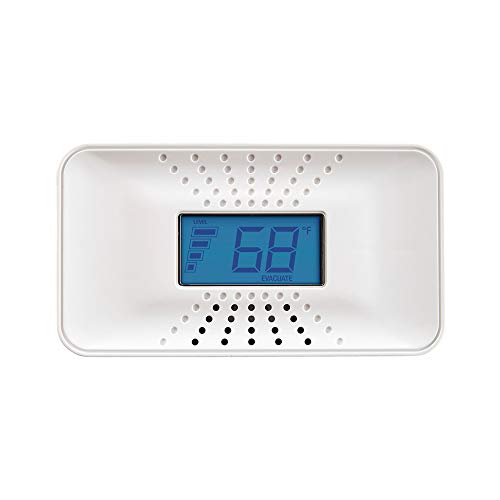
- Sensor: Electrochemical
- Power: Sealed 10-year lithium battery
- Display: Backlit digital, CO level and temperature
- Certification: Listed to UL 2034, per the maker
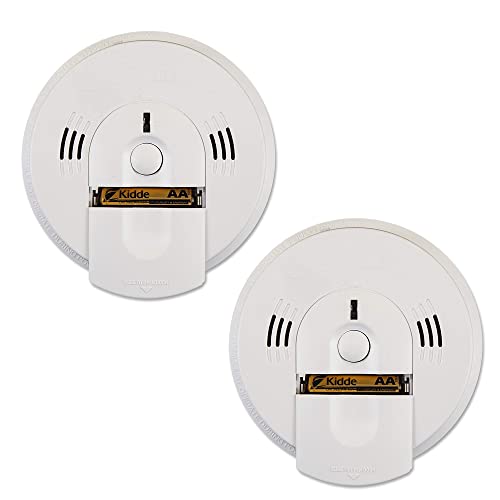
- Sensor: Ionization smoke sensor plus electrochemical CO sensor
- Power: Two AA batteries
- Display: No numeric display; voice alerts with LED indicators
- Certification: UL listed, per the maker
All 4 Picks at a Glance
| Product | Specs | Action |
|---|---|---|
| Kidde Nighthawk KN-COPP-3 Plug-In CO Alarm |
| Check price on Amazon |
| First Alert CO710 Battery CO Alarm |
| Check price on Amazon |
| Kidde KN-COSM-BA Combination Smoke and CO Alarm |
| Check price on Amazon |
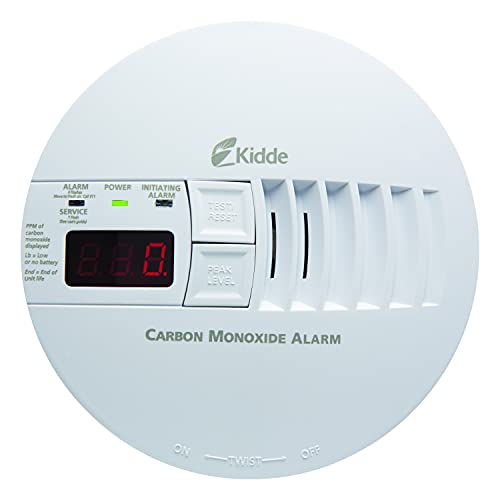 Kidde KN-COP-IC Hardwired CO Alarm |
| Check price on Amazon |
Key takeaways
- Compare plug-in, battery, hardwired, combination, and smart carbon monoxide detectors by sensor type, power source, display, and certification.
Carbon monoxide is an odorless, colorless gas produced when fuels such as natural gas, oil, wood, and propane burn incompletely. Because it cannot be seen or smelled, a working carbon monoxide alarm is the standard way homes detect it, and many building codes now require alarms on every level and near sleeping areas. Detectors come in several forms: plug-in units, sealed-battery models, hardwired alarms, combination smoke and CO alarms, and Wi-Fi-connected smart detectors.
This guide compares five detectors across those categories. Each pick uses an electrochemical CO sensor, the sensing technology used in most residential alarms, and each was checked against maker documentation for its power source, display, and certification details. Always follow the placement, mounting height, and replacement timing in the maker’s manual, and check your local code for the number and location of alarms your home requires.
As an Amazon Associate, we earn from qualifying purchases.
How to Choose
Start with power. Plug-in alarms are simple to install but need an outlet in the right place and rely on a backup battery during outages. Sealed 10-year battery models can be mounted almost anywhere and skip battery changes. Hardwired alarms suit homes that already have interconnected alarm wiring, and combination units pair CO sensing with smoke detection in one device. Smart detectors add phone notifications, which matter if you want alerts while away.
Next, look at the display. A digital readout shows the CO concentration in parts per million and usually stores the peak level recorded, which helps when speaking with a technician or the fire department after an event. Voice alarms, used on some combination units, announce whether the hazard is smoke or carbon monoxide.
Finally, confirm certification. In the United States, residential CO alarms are commonly listed to the UL 2034 standard; check the listing and packaging for the standard the maker states. Note the end-of-life signal and the maker’s stated sensor life, since CO alarms are replaced as complete units when the sensor expires. Placement should follow the maker’s instructions and local codes: typically on every level of the home and outside each sleeping area, away from fuel-burning appliances at the distances the manual specifies.
Plan for upkeep as well. Makers generally direct owners to test alarms weekly with the test button, vacuum dust from the vents periodically, and replace backup batteries when the low-battery warning sounds. Sealed-battery and smart models reduce that routine but still need testing. Also consider how many alarms the home needs before choosing a format: a two-pack of combination alarms may cover a small home, while a larger house may mix hardwired units on one floor with battery models elsewhere. Buying formats that share a brand can also simplify interconnect features and replacement timing later.
Kidde Nighthawk KN-COPP-3 Plug-In CO Alarm
- Sensor: Electrochemical
- Power: 120V AC plug-in with 9V battery backup
- Display: Digital LED with CO level and peak level memory
- Certification: UL listed, per the maker
The KN-COPP-3 is Kidde’s long-running plug-in design. It draws power from a standard wall outlet and carries a 9-volt battery backup so monitoring continues during a power outage. A digital LED display shows the CO concentration in parts per million, and a peak level button recalls the highest reading recorded since the last reset, which can be useful information after an alarm event.
The unit plugs directly into the outlet, and Kidde offers an optional mounting style using the included hardware for a more permanent fit. The alarm sounds at 85 decibels, and LED indicators show power and alarm status. Because it needs an outlet at a suitable height, it fits hallways and living areas better than rooms where outlets sit behind furniture. Its test and silence button is on the front face, and the display also flags low battery and end-of-life conditions, so routine checks take only a glance.
First Alert CO710 Battery CO Alarm
- Sensor: Electrochemical
- Power: Sealed 10-year lithium battery
- Display: Backlit digital, CO level and temperature
- Certification: Listed to UL 2034, per the maker
The CO710 is a battery-only alarm built around a sealed lithium battery that First Alert rates for the full 10-year life of the unit, so there are no batteries to change. It can sit on a tabletop or mount on a wall, which makes it practical for rooms without a free outlet and for renters who cannot alter wiring.
Its backlit digital display shows the CO concentration and the ambient temperature, and the alarm includes an end-of-life signal that indicates when the unit should be replaced. The electrochemical sensor and 85-decibel horn match the format used across the maker’s CO line. A silence button handles temporary silencing, and the display’s peak reading helps document an event. The tabletop option is worth noting for bedrooms, where the temperature readout doubles as a quick room check and the unit can sit at the height the maker recommends without any installation work.
Kidde KN-COSM-BA Combination Smoke and CO Alarm
- Sensor: Ionization smoke sensor plus electrochemical CO sensor
- Power: Two AA batteries
- Display: No numeric display; voice alerts with LED indicators
- Certification: UL listed, per the maker
The KN-COSM-BA combines an ionization smoke sensor and an electrochemical CO sensor in one battery-powered unit, sold here as a two-pack for covering more than one room. Instead of a numeric display, it uses voice alerts that announce “Fire” or a carbon monoxide warning, so occupants know which hazard triggered the alarm without looking at the unit.
Two AA batteries power the alarm, and the front-loading battery door allows changes without removing the unit from its mounting plate. A hush button silences nuisance alarms, and a low-battery warning gives advance notice before the batteries run down. Combination alarms like this one reduce the number of devices on the ceiling where a home needs both smoke and CO detection in the same space. Because it is battery powered, it also works in homes without hardwired alarm circuits, and the voice announcement removes the guesswork of identifying an alarm pattern in the middle of the night.
Kidde KN-COP-IC Hardwired CO Alarm
- Sensor: Electrochemical
- Power: 120V AC hardwired with 9V battery backup
- Display: Digital LED with CO level and peak level memory
- Certification: UL listed, per the maker’s manual
The KN-COP-IC is a CO-only alarm that hardwires into a home’s 120-volt electrical system, with a 9-volt battery backup for outages. It mounts to a standard electrical box using the included bracket and wiring harness, making it a fit for new construction and for homes replacing older hardwired alarms.
The digital display updates the CO reading every 15 seconds and stores the peak level, and the unit can interconnect with up to 24 compatible Kidde devices so that when one alarm sounds, the connected alarms sound as well. Kidde rates the operating life at seven years, after which the display shows an end-of-life message and the unit is replaced. Hardwired installation should follow local electrical codes and the maker’s wiring instructions. A Smart-Hush feature temporarily silences the horn for several minutes during a known, non-emergency condition, and the front panel keeps the test button and display accessible after mounting.
X-Sense XC04-WX Smart CO Detector
The XC04-WX is a battery-powered smart detector that connects directly to 2.4 GHz Wi-Fi and sends push notifications through the X-Sense Home Security app, including alarm events, low-battery notices, and a precaution alert when CO rises above 100 parts per million. It uses an electrochemical Figaro sensor that X-Sense rates for a 10-year life.
An LCD screen on the unit shows the current CO concentration and the peak level, and the replaceable CR123A battery can be swapped without replacing the whole detector. The unit can be wall-mounted with the included screws or set on a flat surface. Through the app, owners can check the current reading, review event history, share access with family members, and silence an alarm from the phone. X-Sense also offers an optional subscription monitoring service for this model, which is separate from the detector’s standard app alerts. One certification note: X-Sense’s manual documents this model against the European EN 50291 standard, so buyers in the United States should check the product listing for the certifications the maker currently states before ordering.
Specs
- Sensor: Electrochemical (Figaro)
- Power: Replaceable CR123A lithium battery
- Display: LCD with current and peak CO level, plus app notifications
- Certification: EN 50291 documented in the maker’s manual
Comparison
All five detectors use electrochemical CO sensing; they differ mainly in power source, display style, and whether they add smoke detection or app alerts. Installation effort follows the same split: the plug-in, battery, and smart models mount in minutes, while the hardwired Kidde assumes existing alarm wiring or an electrician’s visit. Sensor life also splits the group, with 10-year ratings on the First Alert and X-Sense and a seven-year rating on the hardwired Kidde.
| Product | Power | Display | Extra |
|---|---|---|---|
| Kidde KN-COPP-3 | Plug-in, 9V backup | Digital LED | Peak level memory |
| First Alert CO710 | Sealed 10-year battery | Backlit digital | Temperature readout |
| Kidde KN-COSM-BA | Two AA batteries | Voice alerts | Smoke and CO in one unit |
| Kidde KN-COP-IC | Hardwired, 9V backup | Digital LED | Interconnects with Kidde alarms |
| X-Sense XC04-WX | CR123A battery | LCD | Wi-Fi app notifications |
FAQ
Where should carbon monoxide detectors be installed?
Follow the maker’s placement guidance and your local code. In general, alarms go on every level of the home and outside each sleeping area, at the mounting height the manual specifies and at a distance from fuel-burning appliances, bathrooms, and cooking equipment. Homes with an attached garage or a fuel-burning fireplace, furnace, or water heater are the ones makers most often single out as needing coverage on the level those appliances occupy.
How long does a carbon monoxide detector last?
Sensor life varies by model. The sealed-battery and smart picks here carry 10-year sensor ratings, while the hardwired Kidde is rated at seven years. Each unit signals its end of life, and the whole alarm is replaced at that point rather than serviced. Writing the installation date on the unit or keeping the receipt makes it easier to track when replacement is due.
What is the difference between a CO alarm and a combination alarm?
A CO-only alarm senses carbon monoxide alone. A combination alarm, such as the KN-COSM-BA, adds a smoke sensor in the same housing and announces which hazard it detected. Combination units are useful where one ceiling location must cover both risks.
What should I do when a carbon monoxide alarm sounds?
Move everyone outside to fresh air and call emergency services or the fire department from outside the home. Do not re-enter until responders say it is safe, and do not silence the alarm and ignore it, since carbon monoxide cannot be detected by smell.
Final verdict
For a simple outlet-based setup, the Kidde KN-COPP-3 pairs a clear digital readout with battery backup. The First Alert CO710 suits rooms without a spare outlet and avoids battery changes for a decade. Homes that want smoke and CO coverage in one device should look at the Kidde KN-COSM-BA, while existing hardwired systems point to the KN-COP-IC. If phone alerts matter most, the X-Sense XC04-WX adds Wi-Fi notifications, with the certification caveat noted above. Whichever you choose, install it per the maker’s instructions and local codes, and test it on the schedule the manual sets out. Note the replacement date when you install the alarm, since every model here is a sealed sensing unit with a fixed working life rather than a device that can be serviced indefinitely.
Product and ASIN Reference
| Product | ASIN |
|---|---|
| Kidde Nighthawk KN-COPP-3 Plug-In CO Alarm | B00002N86A |
| First Alert CO710 Battery CO Alarm | B011O2WW1C |
| Kidde KN-COSM-BA Combination Smoke and CO Alarm (2-Pack) | B0993JKLD9 |
| Kidde KN-COP-IC Hardwired CO Alarm | B0006FLAQ2 |
| X-Sense XC04-WX Smart CO Detector | B0BB7FXNSF |
More from Amazon
Programs that pair well with the guide above. Offers and eligibility are set by Amazon and may change.
Free shipping on eligible items, Prime Video and more. Eligible new members can start with a free trial.
Start a Prime free trialAudiobooks and podcasts to listen to on the go. Eligible new members can start with a free trial.
Try Audible freeAd-free music streaming. Eligible new subscribers can start with a free trial.
Try Music Unlimited freeA free business account with business pricing and bulk-buying tools for work, shop or home office.
Create a business accountAs an Amazon Associate we earn from qualifying purchases.






Write Your Review
No reviews yet. Be the first to share your experience!