
Key takeaways
- Find the best freestanding propane grills for weekend outdoor gatherings, with clear advice on size, burners, heat control, and setup for hosting a crowd.
As an Amazon Associate we earn from qualifying purchases.
A weekend gathering turns an ordinary grill purchase into a question of capacity, timing, and confidence. One or two burgers for a quiet evening need very little space, while a patio full of relatives, neighbours, and children needs room for patties, chicken, vegetables, and buns at the same time. The right freestanding propane grill should let the host cook in batches without crowding the grates, keep food warm while the next round finishes, and still leave space to move around the patio safely.
This guide is written for weekend hosts, family cooks, and anyone who entertains outdoors a few times each month. It also suits renters and homeowners with a patio or yard who want a sturdy grill on wheels rather than a built-in unit. Instead of listing models that could not be checked directly, it explains the features that matter most, the trade-offs between size and storage, and the setup habits that make a busy cookout run smoothly from first lighting to final cleanup.
How to Choose
Cooking Area and Burner Layout
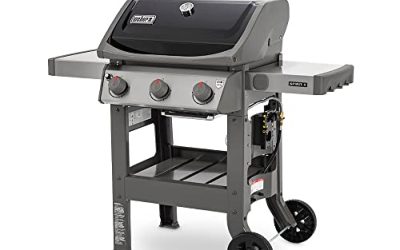
Start with the primary cooking surface, because that number decides how much food can cook without steaming or sticking together. A compact grill suits couples and small families, while a wider surface suits hosts who cook for eight or more guests. Look at the shape as well as the total area, since a long, narrow grate can be harder to use than a deeper one. Separate burners matter just as much, because they create hot and cooler zones. With three or four burners, chicken can finish gently on one side while burgers sear on the other. Check knob spacing, lid thermometer readability, and whether a warming rack adds useful space.
Heat Output and Temperature Control
Heat output shapes how quickly a grill recovers after the lid opens and how evenly it cooks a full load. A grill that struggles when cold meat covers the grates will leave some pieces pale while others overcook. Look for burners that run the full depth of the cooking area rather than leaving cold corners. Even heat also depends on the metal above the burners, which should spread flames and catch drips without constant flare-ups. A responsive knob helps a cook move from a fierce sear to a gentle finish without guesswork. Before a gathering, learn where hot spots sit by watching how bread toasts across the grate, then plan around those zones.
Build, Wheels and Storage
A freestanding grill earns its place by standing steady on a patio, rolling where it is needed, and surviving seasons outdoors. Heavy-gauge steel, a well-fitted lid, and solid welds or fasteners usually signal a longer life than thin panels and wobbly legs. Porcelain-coated cast iron grates hold heat well and leave clear marks, while stainless steel grates resist rust and clean more easily. Wheels should turn smoothly and lock firmly, especially on uneven paving. A cabinet or open shelf underneath keeps the propane tank secure and tools close. Measure the footprint with side shelves open and folded, then confirm the grill can pass through gates and doorways when it needs shelter.
Side Burners, Warming Racks and Extras
Extra features earn their keep only when they match the way a household actually cooks. A side burner is useful for sauces, beans, corn, or a pot of water, and it keeps the main grates free for grilling. A warming rack helps during a gathering, because finished food can rest above the heat while the next batch cooks. Tool hooks, a bottle opener, and a condiment shelf sound minor until a host is juggling tongs, a tray, and a plate of raw chicken. An ignition system that lights reliably on the first try matters even more on a busy afternoon. Skip gimmicks that add cleaning work, and favour extras that shorten the path between kitchen, grill, and table.
Planning Cooking Space for a Weekend Crowd
A successful cookout starts with a realistic headcount and a menu that fits the grill rather than fighting it. Count adults and children separately, then estimate how many pieces each person will eat across the whole afternoon, not just at the first serving. Burgers, sausages, chicken thighs, and vegetable skewers cook at different speeds, so group foods by cooking time and thickness. Thinner items can share a hot zone, while thicker cuts need a cooler area and more time. Leave a clear strip of grate free for moving food, because a packed surface traps steam and slows browning.
Timing matters as much as space. Start foods that need longer cooking first, then add quick items in waves as guests arrive. A warming rack or a covered tray lined with foil keeps early batches hot without drying them out. Keep raw meat on a separate tray from cooked food, and bring a clean plate to the grill for every round. Set the table, drinks, and salads before lighting the grill, so the cook is not pulled away at the moment when attention matters most. A short rest for steaks and chicken before serving also improves texture, and it gives the host a pause before the next batch.
Think about the flow of people around the grill as well. Place the grill where smoke drifts away from seating and doorways, with enough clearance on every side for the lid to open fully. Keep children and pets behind a clear boundary, and keep the propane tank upright and connected firmly. A small side table for seasonings, oil, and a spray bottle saves repeated trips indoors. When the menu includes guests with different diets, reserve one zone for vegetables and plant-based items, use separate tongs, and label the trays so nobody has to guess what is safe to eat.
Which One Fits Your Situation
Hosting a Large Family Cookout
Choose the widest cooking surface the patio can hold, with at least three burners and a warming rack. Separate zones let burgers sear while chicken finishes gently, and the extra width means fewer batches. A cabinet base keeps the tank hidden and tools organised, while large wheels make it easier to roll the grill into position before guests arrive. Plan the menu around foods that cook in waves, and keep a covered tray ready for finished items.
Cooking for a Small Patio Gathering
Pick a compact freestanding grill with two or three burners and folding side shelves. It should cook enough for six to eight people without dominating a small patio or blocking a walkway. A smaller footprint also makes storage simpler between weekends. Focus on a short menu with one main item and a couple of sides, so the cook can stay with guests instead of managing a large grill. Good heat control matters more here than maximum size.
Feeding Mixed Appetites at Once
Look for a grill with clearly separate burner zones and a warming rack. One side can run hot for steaks and burgers, while the other stays gentle for fish, vegetables, and chicken. A side burner helps with sauces or corn, keeping the main grates free. Keep separate tongs and trays for each type of food, and use the warming rack to hold finished portions. This layout suits households where some guests eat meat and others prefer vegetables.
Grilling Often Through the Season
Prioritise build quality, easy cleaning, and a reliable ignition system over extra gadgets. A sturdy lid, solid grates, and a grease tray that slides out without a struggle will matter after dozens of uses. A grill cover that fits well protects the finish between weekends, and lockable wheels keep it steady on a slope. Choose a size that suits a normal weekend rather than the largest party of the year, then use batches and a warming rack for bigger occasions.
Setting Up, Cooking and Cleaning Up
Set the grill on level ground with clear space around it, away from fences, overhanging branches, and outdoor furniture. Check the propane connection for a secure fit before lighting, and open the lid before turning on the gas so any build-up can clear. Preheat with the lid closed until the thermometer reaches the range needed for the first foods, then brush the grates clean and oil them lightly. A hot, clean grate gives better marks and makes food easier to turn. Keep a spray bottle of water nearby for small flare-ups, and move food to a cooler zone rather than closing the lid and hoping the flames die down.
Cook in a calm order that matches the menu. Sear burgers and steaks over direct heat, then move them to a cooler zone to finish. Chicken needs steady, moderate heat so the outside does not burn before the centre cooks through. Vegetables benefit from a light coating of oil and a short time over heat, while buns need only a few seconds on the warming rack. Use a thermometer for thick cuts rather than guessing by colour alone, and rest meat for a few minutes before slicing. When the last batch is done, turn off the burners and the tank valve, let the grill cool, and brush the grates while they are still warm.
Cleaning up promptly makes the next gathering easier. Empty the grease tray before it overflows, wipe the side shelves, and check the burners for blocked ports. A cover keeps rain and leaves out of the cooking area, but only put it on once the grill is fully cool. Store spare propane in a ventilated outdoor spot, upright and away from heat. A quick check of the wheels, knobs, and ignition before the next weekend avoids a last-minute scramble, and a short note about what worked well helps the host improve the menu next time.
Common Mistakes
- Overfilling the grates: Packing food edge to edge traps steam, lowers the temperature, and leaves pale, soggy results. Leave gaps for air and movement, and cook in batches when the guest list grows.
- Lighting with the lid closed: Gas can build up inside a closed grill before ignition. Always open the lid first, light promptly, and check that every burner catches before closing the lid to preheat.
- Skipping the preheat: Cold grates stick, tear delicate foods, and cook unevenly. Give the grill time to reach temperature, brush the grates clean, and oil them lightly before the first items go on.
- Using one tray for raw and cooked food: Raw meat juices can contaminate finished food. Bring a clean plate for each round, keep separate tongs for raw and cooked items, and wash hands after handling raw meat.
- Forgetting the tank check: Running out of propane halfway through a gathering is easy to avoid. Check the fuel level the day before, keep a spare tank ready for large parties, and confirm the connection is secure before guests arrive.
Frequently Asked Questions
How much cooking space do I need for a weekend gathering?
A compact grill suits two to four people, while a wider surface suits eight or more guests. Count how many burgers, chicken pieces, or skewers must cook at once, then leave space for moving food. A warming rack helps, because finished food can rest above the heat while the next batch cooks. For a varying guest list, pick a normal-weekend size and cook larger parties in batches.
How many burners should a freestanding propane grill have?
Two burners work for small patios and simple menus, while three or four burners give more control for mixed foods and larger groups. Separate burners create hot and cooler zones, so steaks can sear on one side while chicken finishes gently on the other. More burners also help the grill recover heat after the lid opens. Choose the burner count that matches the menu, not the largest number available.
Can I leave a freestanding propane grill outside between weekends?
A freestanding grill can stay outdoors when it stands on level ground, has a well-fitting cover, and sits away from standing water. Put the cover on only after the grill is fully cool, and check that vents and the grease tray stay clear. Store spare propane upright in a ventilated outdoor spot. Bring the grill under shelter during severe storms, and inspect wheels, knobs, and ignition before the next use.
What should I check before lighting the grill for guests?
Open the lid, confirm the propane tank is connected firmly, and check the fuel level the day before. Inspect the burners for blocked ports, empty the grease tray, and brush the grates clean. Preheat with the lid closed, then oil the grates lightly. Keep a clean plate and separate tongs ready, and place the grill where smoke drifts away from seating and doorways.
FAQ
How much cooking space do I need for a weekend gathering?
How many burners should a freestanding propane grill have?
Can I leave a freestanding propane grill outside between weekends?
What should I check before lighting the grill for guests?
More from Amazon
Programs that pair well with the guide above. Offers and eligibility are set by Amazon and may change.
Free shipping on eligible items, Prime Video and more. Eligible new members can start with a free trial.
Start a Prime free trialAudiobooks and podcasts to listen to on the go. Eligible new members can start with a free trial.
Try Audible freeAd-free music streaming. Eligible new subscribers can start with a free trial.
Try Music Unlimited freeA free business account with business pricing and bulk-buying tools for work, shop or home office.
Create a business accountAs an Amazon Associate we earn from qualifying purchases.
Write Your Review
No reviews yet. Be the first to share your experience!